Showing Posts From
Guides
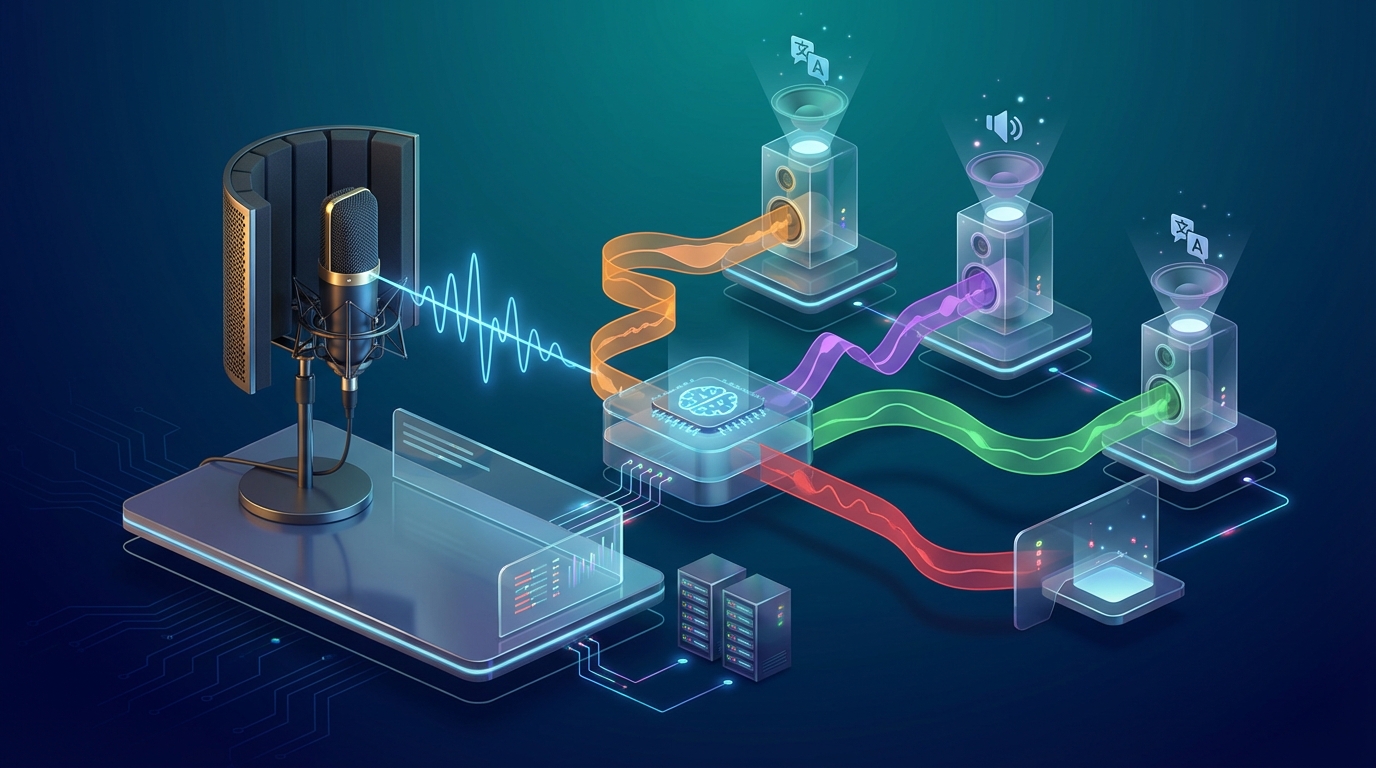

Voice Over Translation: The Complete Guide for Video Creators (2026)
Voice over translation is one of the fastest-growing needs in video production. As content crosses borders and creators expand into global markets, the question is no longer if you should translate your voice overs — it's how to do it effectively without breaking the bank. In this guide, I'll walk you through every method, from traditional voice over studios to the latest AI dubbing tools, so you can choose the right approach for your budget and quality requirements. What Is Voice Over Translation? Voice over translation is the process of replacing the original spoken audio in a video with a translated version in another language. Unlike subtitles (which appear as text on screen), voice over translation lets viewers hear the content in their own language. There are two main approaches:Dubbing: The translated voice audio replaces the original entirely. The lips on screen may or may not be synced to the new audio. Voice over (VO) style: The original audio is lowered slightly, and the translated narration plays over it. Common in documentaries and corporate videos.For most content creators, "voice over translation" refers to the full dubbing approach — replacing original audio with natural-sounding translated speech. Why Voice Over Translation Matters in 2026 The numbers are hard to ignore:72% of internet users prefer content in their native language (CSA Research) YouTube videos with dubbed audio see 40-80% more views in non-English markets Spanish and Portuguese speakers represent over 700 million potential viewers — most consuming zero English-only content MrBeast built a $50M+ channel empire largely by dubbing every video into 10+ languages from day oneThe traditional barrier was cost. Professional voice over studios charge $1,000–$5,000+ per video. AI has changed this equation completely. Method 1: Traditional Voice Over Studios The gold standard for quality, but also the most expensive option. How it works:Script is translated by a professional translator Native-speaking voice actors record the translated script Audio is edited, mixed, and synced to the video Final version is deliveredPros:Highest quality — natural pronunciation, emotion, pacing Lip-sync options available (at extra cost) Professional studio acousticsCons:Expensive: $800–$5,000+ per video depending on length and languages Slow: 1–3 weeks per video Difficult to scale across multiple languages simultaneouslyBest for: High-stakes corporate videos, film and TV localization, content where quality is non-negotiable. Method 2: Freelance Voice Actors A more affordable version of the studio approach using platforms like Voices.com, Voice123, or Fiverr. How it works:You hire a translator to translate your script (or use AI translation) You hire a native voice actor for the target language They record the translated script at home or in their studio You (or a hired editor) sync the audio to your videoPros:More affordable than studios: $100–$500 per video Access to diverse voices and accents Good quality if you vet the voice actor carefullyCons:Requires project management (coordinating translator + voice actor) Quality varies significantly between voice actors Still takes days to weeks Doesn't scale well to 5+ languagesBest for: Creators who need quality but have limited budget, single-language expansion. Method 3: AI Voice Over Translation This is where the industry has moved dramatically in the past two years. AI dubbing tools now handle the entire pipeline — transcription, translation, voice synthesis, and lip-sync — in minutes rather than weeks. How it works:Upload your video to an AI dubbing tool The AI transcribes your original speech Translates it into your target language(s) Generates a natural-sounding voice in the target language Syncs the new audio to your video Delivers the dubbed video, ready to publishPros:Fast: 5–30 minutes per video (depending on length) Affordable: $20–$200/month for unlimited dubbing Scales to 20, 30, even 50+ languages simultaneously Quality has improved dramatically — often indistinguishable from human VOCons:Quality ceiling slightly below top human voice actors for very nuanced content Some tools struggle with complex terminology or industry jargon Lip-sync still imperfect for close-up face shotsBest for: Content creators, YouTubers, course creators, marketing teams — anyone who needs to scale across multiple languages quickly. Top AI Voice Over Translation Tools in 2026 Here's a quick comparison of the leading tools:Tool Languages Pricing Best ForNovaDub 50+ From $29/mo YouTube creators, course creatorsElevenLabs 30+ From $5/mo Voice quality focusRask AI 130+ From $60/mo Enterprise/agencyHeyGen 40+ From $24/mo Avatar videosPapercup 40+ Custom pricing Enterprise broadcastIf you're a content creator dubbing YouTube videos or online courses, NovaDub is optimized specifically for your workflow — preserving your voice characteristics in the translated version while keeping it natural for native speakers.How to Choose the Right Method Use traditional studios if:You have $1,000+ per video to spend You need broadcast-quality audio (TV, film) Lip-sync accuracy is critical (character-driven content)Use freelance voice actors if:You need one or two language versions You have 3–5 days per video Budget is $200–$500 per videoUse AI voice over translation if:You need to scale to 3+ languages You want to publish within hours, not weeks Budget is $30–$150/month for multiple videos You're a solo creator or small teamStep-by-Step: AI Voice Over Translation with NovaDub Here's exactly how the process works on a modern AI dubbing platform: Step 1: Upload your video Drag and drop your video file or paste a YouTube URL. NovaDub supports MP4, MOV, AVI, and most common formats. Step 2: Select your target languages Choose from 50+ languages. You can select multiple languages simultaneously — dub into Spanish, French, and German in one operation. Step 3: Review the transcription The AI generates a transcript of your original audio. Review it for accuracy, especially with proper nouns, brand names, or technical terms. Step 4: Review and edit the translation The AI translates your script into each target language. You can edit translations directly in the dashboard if needed. Step 5: Preview and export Preview the dubbed video in each language. Adjust voice style, pacing, or specific lines if needed. Export the final dubbed video. The whole process takes 5–15 minutes for a 10-minute video. Quality Tips for Better Voice Over Translations Regardless of which method you choose, these tips will improve your results:Start with clean audio AI dubbing tools (and human voice actors) work better when the original audio is clear. Avoid heavy background music, echo, or multiple people talking simultaneously.Speak at a natural pace Very fast speech increases transcription errors. A natural, clear pace produces better results.Avoid idioms that don't translate "Hit the ground running," "under the weather," "bite the bullet" — these don't translate literally. Consider replacing them with more universal expressions, or review the translation carefully for awkward idioms.Review translations with a native speaker If quality is important, have a native speaker review the translation before publishing. Even AI translations can miss nuance or cultural context.Use voice cloning for brand consistency Advanced AI tools like NovaDub can clone your original voice, so the dubbed version sounds like you speaking Spanish or Portuguese — not a generic AI voice. This is especially valuable for personal brands and creators.Voice Over Translation Pricing Breakdown Here's what to budget based on your needs: Solo creator (1–4 videos/month)AI tool subscription: $20–$50/month Optional: Native speaker review on Fiverr: $15–$30/video Total: $30–$110/monthGrowing channel (10–30 videos/month)AI tool subscription: $50–$150/month Occasional quality review: $50–$100/month Total: $100–$250/monthBusiness/corporate (50+ videos/month)AI tool business plan: $200–$500/month Internal QA process (native-speaking team member): already in your payroll Total: $200–$500/monthCompare this to traditional studios charging $1,000–$5,000 per video. For a creator publishing 10 videos/month, AI voice over translation means saving $10,000–$50,000 every single month. Common Voice Over Translation Mistakes to Avoid Mistake 1: Translating word-for-word Good voice over translation adapts the content culturally, not just linguistically. A phrase that's punchy in English might sound awkward in German if translated literally. AI tools handle this reasonably well, but always review the output. Mistake 2: Ignoring lip-sync for close-up content If your video has lots of close-up talking head shots, viewers will notice if the lip movements don't match the translated audio. For this content type, either use a tool with lip-sync capabilities or accept that viewers will see a mismatch. Mistake 3: Using one voice for all content Different content types need different voice styles. A corporate training video needs a professional, measured tone. A YouTube vlog needs something more casual and energetic. Make sure your chosen tool lets you control voice style. Mistake 4: Neglecting the translated video's SEO When you publish a dubbed version, create a new video on YouTube with translated title, description, and tags in the target language. Don't just upload the dubbed video with English metadata — you'll miss the SEO benefit entirely. Mistake 5: Dubbing everything immediately Start with your highest-performing content. Dub your top 5–10 videos before creating new dubbed content from scratch. Your proven performers are most likely to perform well in other languages too. The Future of Voice Over Translation AI voice over translation is improving at a rapid pace. Here's where the technology is heading:Real-time translation: Live dubbing for streams and webinars (already possible in limited forms) Perfect lip-sync: AI video editing that adjusts mouth movements to match translated audio (HeyGen and others are working on this) Voice cloning at scale: Your exact voice, speaking any language, indistinguishable from native Emotion preservation: AI that maintains the emotional tone and energy of your original performance Dialect selection: Not just "Spanish" but Mexican Spanish, Castilian Spanish, Argentine Spanish with regional voice characteristicsWe're 2–3 years away from voice over translation that's indistinguishable from native human production at a fraction of the current cost. Conclusion Voice over translation is no longer a luxury for well-funded production companies. With AI dubbing tools, any creator, marketer, or educator can reach global audiences in their native language within hours. The right approach depends on your budget, quality requirements, and scale:For high-stakes professional content: traditional studios For one or two languages on a budget: freelance voice actors For scaling to multiple languages quickly: AI dubbing tools like NovaDubIf you're creating content that deserves a global audience, the question isn't whether to translate your voice overs — it's which tool to start with today.Ready to translate your voice overs? Try NovaDub free — no credit card required, first video free.
Traducción de Voz en Off: La Guía Completa para Creadores de Video (2026)
La traducción de voz en off es una de las necesidades de mayor crecimiento en producción de video. A medida que el contenido cruza fronteras y los creadores se expanden a mercados globales, la pregunta ya no es si deberías traducir tus voice overs — es cómo hacerlo eficazmente sin arruinar el presupuesto. En esta guía, te llevo por cada método, desde estudios de voz en off tradicionales hasta las últimas herramientas de doblaje IA.🧠 ¿Qué Es la Traducción de Voz en Off? La traducción de voz en off es el proceso de reemplazar el audio hablado original en un video con una versión traducida en otro idioma. A diferencia de los subtítulos, la traducción de voz en off permite que los espectadores escuchen el contenido en su propio idioma. Dos enfoques principales:Doblaje: El audio traducido reemplaza el original por completo Estilo voice over (VO): El audio original se baja de volumen y la narración traducida se reproduce encimaImportante: el 72% de los usuarios de internet prefieren contenido en su idioma nativo (CSA Research). Los videos de YouTube con audio doblado ven 40-80% más vistas en mercados no anglófonos.💡 Método 1: Estudios de Voz en Off Tradicionales El estándar de oro para calidad, pero también la opción más cara. Pros: Máxima calidad, pronunciación natural, emociones reales Contras: Caro ($800–$5.000+ por video), lento (1–3 semanas) Ideal para: Videos corporativos de alto nivel, cine, TV.🎙️ Método 2: Actores de Voz Freelance Versión más asequible usando plataformas como Voices.com, Voice123 o Fiverr. Pros: Más asequible ($100–$500 por video), acceso a voces diversas Contras: Requiere gestión del proyecto, calidad variable, no escala bien a 5+ idiomas Ideal para: Creadores que necesitan calidad pero con presupuesto limitado.🤖 Método 3: Traducción de Voz en Off con IA Aquí es donde la industria se ha movido dramáticamente. Las herramientas de doblaje IA ahora manejan todo el pipeline — transcripción, traducción, síntesis de voz y sincronización — en minutos. Pros: Rápido (5–30 min por video), asequible ($20–$200/mes), escala a 50+ idiomas Contras: Techo de calidad ligeramente inferior al mejor voice actor humano, puede tener problemas con jerga compleja Ideal para: Creadores de contenido, YouTubers, creadores de cursos, equipos de marketing.🏆 Mejores Herramientas IA de Traducción de Voz en Off en 2026Herramienta Idiomas Precios Ideal ParaNovaDub 50+ Desde $29/mes Creadores YouTube, creadores de cursosElevenLabs 30+ Desde $5/mes Enfoque en calidad de vozRask AI 130+ Desde $60/mes Enterprise/agenciaHeyGen 40+ Desde $24/mes Videos con avatarConsejo Pro: si eres creador de contenido doblando videos de YouTube o cursos online, NovaDub está optimizado específicamente para tu flujo de trabajo — preserva las características de tu voz en la versión traducida.📝 Paso a Paso: Traducción de Voz en Off con NovaDub Paso 1: Sube tu video (arrastra o pega URL de YouTube) Paso 2: Selecciona idiomas destino (puedes seleccionar múltiples) Paso 3: Revisa la transcripción (especialmente nombres propios y términos técnicos) Paso 4: Revisa y edita la traducción si es necesario Paso 5: Previsualiza y exporta el video doblado Todo el proceso toma 5–15 minutos para un video de 10 minutos.💰 Desglose de Precios Creador individual (1–4 videos/mes): $30–$110/mes total Canal en crecimiento (10–30 videos/mes): $100–$250/mes total Empresa/corporativo (50+ videos/mes): $200–$500/mes total Compara esto con estudios tradicionales que cobran $1.000–$5.000 por video.⚠️ Errores Comunes a Evitar Traducir palabra por palabra. Una buena traducción de voz en off adapta el contenido culturalmente, no solo lingüísticamente. Ignorar la sincronización labial para contenido de primer plano. Si tu video tiene muchos planos cerrados del hablante, los espectadores notarán si los movimientos labiales no coinciden. Descuidar el SEO del video traducido. Cuando publiques una versión doblada, crea un video nuevo con título, descripción y tags traducidos en el idioma destino.✅ Conclusión La traducción de voz en off ya no es un lujo para compañías de producción bien financiadas. Con herramientas de doblaje IA, cualquier creador, marketer o educador puede llegar a audiencias globales en su idioma nativo en horas. ¿Listo para traducir tus voice overs? Prueba NovaDub gratis — sin tarjeta de crédito, primer video gratis.
Tradução de Locução: O Guia Completo para Criadores de Vídeo (2026)
A tradução de locução é uma das necessidades de maior crescimento na produção de vídeo. À medida que o conteúdo cruza fronteiras e os criadores se expandem para mercados globais, a questão não é mais se você deve traduzir suas locuções — é como fazer isso efetivamente sem estourar o orçamento. Neste guia, percorro cada método, desde estúdios de locução tradicionais até as últimas ferramentas de dublagem IA.🧠 O Que É Tradução de Locução? A tradução de locução é o processo de substituir o áudio falado original em um vídeo com uma versão traduzida em outro idioma. Diferente das legendas, a tradução de locução permite que os espectadores ouçam o conteúdo no próprio idioma. Duas abordagens principais:Dublagem: O áudio traduzido substitui o original completamente Estilo voice over (VO): O áudio original é abaixado e a narração traduzida é reproduzida por cimaImportante: 72% dos usuários de internet preferem conteúdo no idioma nativo (CSA Research). Vídeos do YouTube com áudio dublado têm 40-80% mais visualizações em mercados não anglófonos.💡 Método 1: Estúdios de Locução Tradicionais O padrão ouro para qualidade, mas também a opção mais cara. Prós: Máxima qualidade, pronúncia natural, emoções reais Contras: Caro ($800–$5.000+ por vídeo), lento (1–3 semanas) Ideal para: Vídeos corporativos de alto nível, cinema, TV.🎙️ Método 2: Atores de Voz Freelancers Versão mais acessível usando plataformas como Voices.com, Voice123 ou Fiverr. Prós: Mais acessível ($100–$500 por vídeo), acesso a vozes diversas Contras: Requer gestão do projeto, qualidade variável, não escala bem para 5+ idiomas Ideal para: Criadores que precisam de qualidade mas com orçamento limitado.🤖 Método 3: Tradução de Locução com IA Aqui é onde a indústria se moveu dramaticamente. Ferramentas de dublagem IA agora lidam com todo o pipeline — transcrição, tradução, síntese de voz e sincronização — em minutos. Prós: Rápido (5–30 min por vídeo), acessível ($20–$200/mês), escala para 50+ idiomas Contras: Teto de qualidade ligeiramente inferior ao melhor ator de voz humano, pode ter problemas com jargão complexo Ideal para: Criadores de conteúdo, YouTubers, criadores de cursos, equipes de marketing.🏆 Melhores Ferramentas IA de Tradução de Locução em 2026Ferramenta Idiomas Preços Ideal ParaNovaDub 50+ A partir de $29/mês Criadores YouTube, criadores de cursosElevenLabs 30+ A partir de $5/mês Foco em qualidade de vozRask AI 130+ A partir de $60/mês Enterprise/agênciaHeyGen 40+ A partir de $24/mês Vídeos com avatarDica Pro: se você é criador de conteúdo dublando vídeos do YouTube ou cursos online, NovaDub é otimizado especificamente para seu fluxo de trabalho — preserva as características da sua voz na versão traduzida.📝 Passo a Passo: Tradução de Locução com NovaDub Passo 1: Faça upload do seu vídeo (arraste ou cole URL do YouTube) Passo 2: Selecione idiomas alvo (pode selecionar múltiplos) Passo 3: Revise a transcrição (especialmente nomes próprios e termos técnicos) Passo 4: Revise e edite a tradução se necessário Passo 5: Visualize e exporte o vídeo dublado Todo o processo leva 5–15 minutos para um vídeo de 10 minutos.💰 Detalhamento de Preços Criador individual (1–4 vídeos/mês): $30–$110/mês total Canal em crescimento (10–30 vídeos/mês): $100–$250/mês total Empresa/corporativo (50+ vídeos/mês): $200–$500/mês total Compare com estúdios tradicionais que cobram $1.000–$5.000 por vídeo.⚠️ Erros Comuns a Evitar Traduzir palavra por palavra. Uma boa tradução de locução adapta o conteúdo culturalmente, não apenas linguisticamente. Ignorar a sincronização labial para conteúdo de close-up. Se seu vídeo tem muitos planos fechados do falante, os espectadores notarão se os movimentos labiais não coincidem. Descuidar do SEO do vídeo traduzido. Quando publicar uma versão dublada, crie um vídeo novo com título, descrição e tags traduzidos no idioma alvo.✅ Conclusão A tradução de locução não é mais um luxo para empresas de produção bem financiadas. Com ferramentas de dublagem IA, qualquer criador, profissional de marketing ou educador pode alcançar audiências globais no idioma nativo em horas. Pronto para traduzir suas locuções? Experimente NovaDub grátis — sem cartão de crédito, primeiro vídeo grátis.