Showing Posts From
Multilingual youtube

How to Grow Your YouTube Channel Internationally in 2026
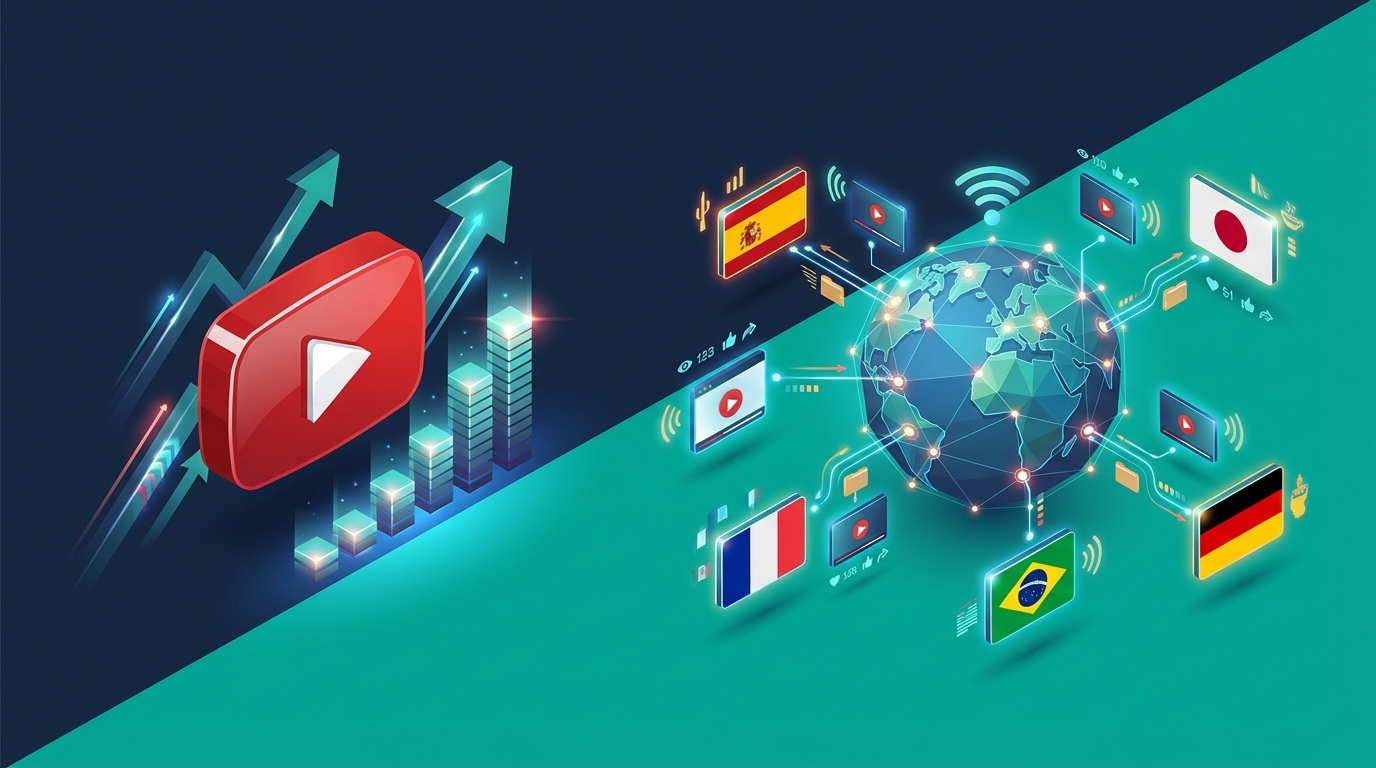
Most YouTube channels are leaving 60-80% of their potential audience untouched. If you're creating content in English only, you're reaching roughly 20% of YouTube's total viewing audience. The other 80% watch primarily in their native language. Here's how to change that—and grow your YouTube channel internationally without burning yourself out. 🌍 Why International Growth Is the Biggest Opportunity on YouTube Right Now YouTube's fastest-growing audiences are in non-English markets:Brazil — 140+ million YouTube users, Portuguese content booming India — Largest YouTube user base globally, Hindi/regional languages surging Spain + Latin America — 500M+ Spanish speakers, dramatically underserved in quality content Germany — High CPM, high engagement, relatively low competition Japan — 50M+ monthly YouTube users, massive creator cultureThe calculus is simple: if you dub a video into Spanish and it reaches even 20% of what your English version achieves, you've added 20% more views, revenue, and subscribers for maybe 10-20% of your production cost. Mr. Beast famously dubbed his content into 12 languages and drove his subscriber count from 70M to 200M+ in about two years. He's the extreme example, but the underlying principle works at every scale. 📋 The International YouTube Growth Playbook Step 1: Identify Your Best International Market Before dubbing every video into every language, be strategic. Look at your YouTube Analytics → Geography tab. You'll often find:You already have viewers in certain countries Some countries have high watch time but low subscriber conversion (language barrier) Specific markets have CPMs that justify investmentHigh-value targets for most English creators:Spanish (Latin America + Spain) — 500M speakers, huge YouTube market, reasonable CPM Portuguese (Brazil) — 200M speakers, Brazil is one of YouTube's biggest markets German — Smaller audience but highest CPM in Europe (€8-15 vs €2-4 in Spain) Hindi — Massive audience, lower CPM but enormous volume French — France + Africa, solid CPM, growing marketPick one. Do it well. Then expand.Step 2: Dub Your Top 10 Videos First Don't start from scratch. Go to YouTube Analytics → Content → Videos, sort by "Views" or "Watch time." Your top 10 performing videos are proven content—the algorithm has validated them. These are the ones to dub first. Why this matters: A video that got 100,000 views in English tells you the content concept works. Dubbing it into Spanish gives you a 100,000-view concept in a market where you have near-zero competition.Step 3: Use AI Dubbing (Not Subtitles) This is the critical decision most creators get wrong. Subtitles: Viewers have to read while watching. In entertainment content, most people don't. Subtitle completion rates are dramatically lower than dubbed content. Dubbing: The viewer experiences your content natively. No reading required. Watch time and completion rates approach what you get with native-language content.YouTube's own data shows that dubbed content outperforms subtitled content by 2-3x in non-English markets when it comes to watch time, engagement, and subscriber conversion.The modern AI dubbing process:Upload your video to an AI dubbing platform The AI transcribes your speech, translates it, and generates a new voice track The new audio is synchronized with your original video You get a dubbed video file to upload as a new YouTube videoThe entire process for a 10-minute video takes about 15-30 minutes (mostly upload/processing time) and costs roughly €10-15 with a good AI dubbing tool. NovaDub is our recommended tool for this. It uses ElevenLabs voice synthesis, supports 29 languages, and offers voice cloning—so the dubbed version sounds like you speaking in the target language, not a generic AI voice. 👉 Try NovaDub free — 5 minutes, no credit cardStep 4: Create Separate Channels OR Use YouTube's Multi-Language Audio You have two options for publishing dubbed content: Option A: Separate language channelsCreate "YourChannel Español", "YourChannel Deutsch", etc. Each channel builds its own subscriber base and SEO More work to manage, but stronger brand presence in each marketOption B: YouTube's Multi-Audio featureUpload the dubbed audio track directly to your existing video YouTube serves the correct language to viewers based on their settings Simpler workflow, no separate channel management Better for SEO consolidationFor most creators starting out, Option B is easier. For creators with 50K+ subscribers who can commit to international growth, Option A builds more durable long-term assets.Step 5: International YouTube SEO Dubbing alone isn't enough. You need to optimize for international search. Title and description localization: Don't just machine-translate your English title. Research what people actually search for in the target language. "How to edit videos" in English → different keywords than the literal translation in Spanish/Portuguese. Upload as a separate video (Option A) for maximum SEO: When you upload the Spanish dubbed version as a separate video:Write the title, description, and tags in Spanish Use Spanish keywords from keyword research (TubeBuddy/VidIQ have language filters) Add Spanish chapters (timestamps) This video can rank in Spanish YouTube search independentlyChapters and timestamps matter internationally: YouTube uses chapters as signal for what topics a video covers. Translate your chapters when you localize.Step 6: Build International Community Distributing content is only half the battle. The channels that grow fastest internationally do active community building: Comment in the local language: Reply to comments on your localized videos in that language. Even AI-assisted translations are better than no response. Audiences feel seen. Join local creator communities: Platform-specific communities on Discord or Reddit have language-specific sections. A few hours of genuine participation (helping others, not promoting yourself) builds relationships and creates organic word-of-mouth. Collaborate with local creators: A collaboration with a creator who already has an audience in your target market is the fastest route to subscribers. Even a shoutout or guest appearance can drive thousands of new subscribers.Step 7: Track International Performance Separately Set up proper tracking to measure what's working:UTM parameters on any links shared for international content YouTube Analytics geography filter — compare performance in target markets pre/post dubbing Watch time vs views ratio — international audiences often binge harder if they find content in their languageYour KPIs for international growth:Views in target country (month-over-month) Watch time in target country Subscribers gained from target country Estimated revenue from target country (YouTube Analytics)🚀 Real Results: What International Growth Looks Like Case study type: Mid-size creator (100K subscribers, English) Typical starting point: 90% English-speaking audience, 10% other. After dubbing top 20 videos into Spanish and Portuguese:Month 1-2: Small boost in Spanish/Portuguese views from existing international fans discovering the dubbed versions Month 3-4: New subscribers from Spanish YouTube search (dubbed videos start ranking) Month 6+: 25-35% of total monthly views coming from international markets Revenue impact: +15-25% monthly (Spanish CPM lower, but volume makes up for it)The growth compounds. As you build subscribers in a market, YouTube starts recommending your videos more in that market, which drives more subscribers, which triggers more recommendations.🛠️ Tools You'll NeedTool Purpose CostNovaDub AI video dubbing Free trial, then from €0.99/minTubeBuddy / VidIQ Multilingual keyword research Free tier availableGoogle Translate Quick title/description drafts FreeDeepL Better quality translations for descriptions Free/ProYouTube Analytics Track international performance Free (built-in)⚠️ Common Mistakes to Avoid Mistake 1: Dubbing low-performing videos Start with your best content. Don't waste budget on videos that didn't work in English. Mistake 2: Using robotic TTS for dubbing Old-school text-to-speech voices destroy watch time. Use ElevenLabs-powered tools (like NovaDub) for voices that sound human. Mistake 3: Ignoring thumbnails Thumbnails often have text. Update them for the language. A Spanish thumbnail saying "HOW I MADE $10,000" should show "CÓMO GANÉ $10,000" or adapt culturally. Mistake 4: Picking too many languages at once Start with one language. Do it right. Then expand. Mistake 5: Giving up after 90 days International SEO takes time. Give your localized content 4-6 months to build momentum before judging ROI.Your International Growth Action PlanWeek 1: Check YouTube Analytics geography → pick your #1 target market Week 2: Identify your top 5 performing videos → dub them into target language with NovaDub Week 3: Publish, optimize titles/descriptions/tags in target language, add chapters Week 4: Engage with comments in target language Month 2-3: Analyze performance, dub next 5 videos if results are positive Month 4-6: Consider second target language based on analyticsInternational YouTube growth isn't a sprint—it's compounding. Every localized video is an asset that keeps earning views, subscribers, and revenue for years.Frequently Asked Questions Is it worth dubbing YouTube videos into other languages? Yes, especially for proven content. The cost of AI dubbing (€10-20 per video) is low compared to the long-term value of international views and subscribers. Top creators attribute 30-50% of their growth to international content. Should I use subtitles or dubbing for international YouTube growth? Dubbing consistently outperforms subtitles for watch time and engagement. Viewers don't have to read—they experience your content naturally in their language. How many languages should I dub my YouTube channel into? Start with one. Choose the highest-value market for your niche. Master that, then expand. Trying to do 10 languages at once leads to poor execution across all of them. How long does AI dubbing take? With a tool like NovaDub, a 10-minute video takes about 10-15 minutes of actual processing time. You upload, wait, download. The workflow is minimal once you're set up. What's the best AI tool to dub YouTube videos? NovaDub is our top recommendation for voice quality (ElevenLabs-powered), voice cloning, and ease of use. It supports 29 languages with a free 5-minute trial.Start your international YouTube growth today: Try NovaDub free →
How to Translate a YouTube Video: 4 Methods Compared (2026)
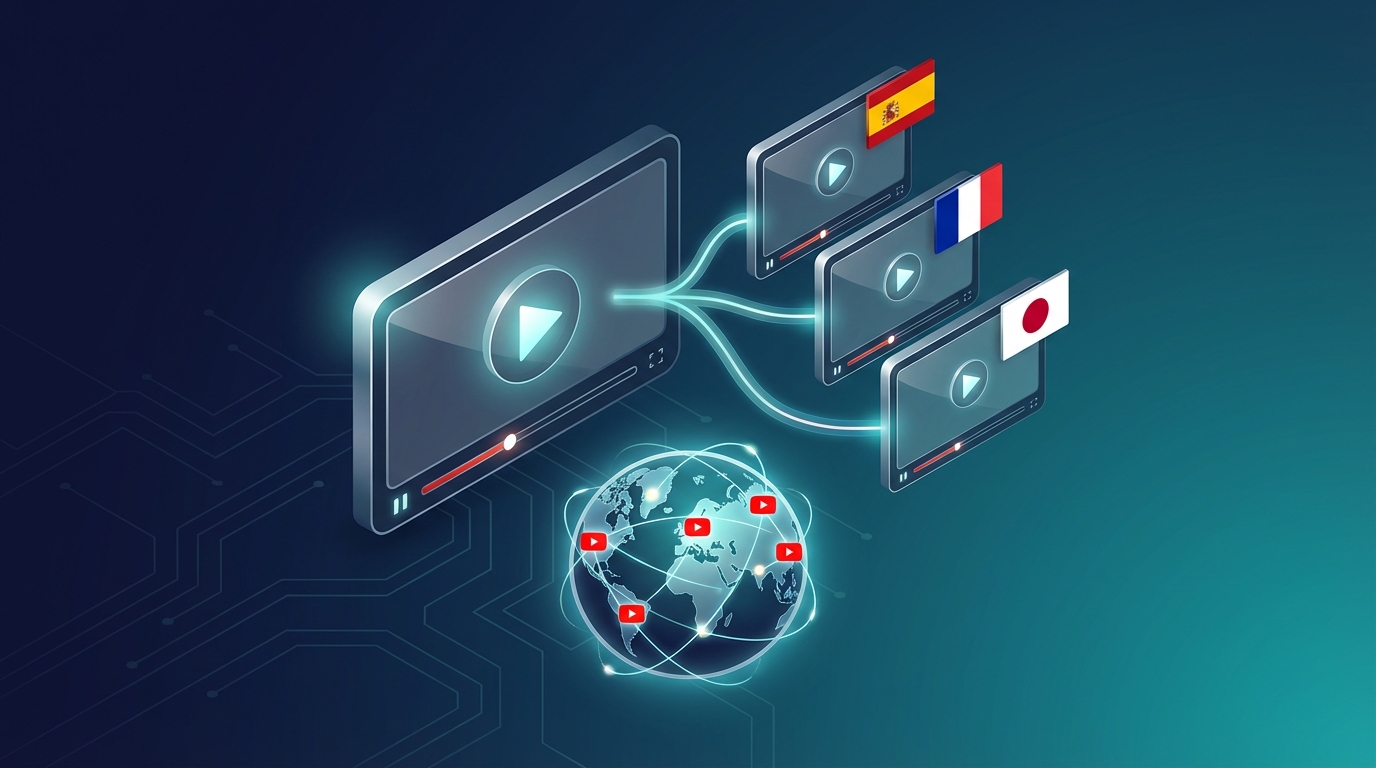
You've built an audience in one language. Now you want to reach viewers in another. The question "how do I translate my YouTube video?" seems simple, but in 2026 you have more options than ever—and they're not all equal. I'm going to walk you through every method available, with honest pros and cons for each, so you can make the right choice for your specific situation. 📋 The 4 Methods for Translating a YouTube Video Here's a quick overview before we dive deep:Method Quality Cost Speed Best ForAI dubbing ⭐⭐⭐⭐⭐ €$ Minutes Serious creators, businessesAI subtitles (YouTube auto) ⭐⭐⭐ Free Instant Testing, passive viewersManual subtitles ⭐⭐⭐⭐ $-$$ Hours Tight budget, accessible contentHuman dubbing ⭐⭐⭐⭐⭐ $$$$ Days/weeks Broadcast, premium contentNow let's explore each in detail.Method 1: AI Dubbing (Recommended) AI dubbing is the most powerful method available in 2026. It replaces the original audio with a new AI-generated voice speaking in the target language—while the video itself remains unchanged. The best part: YouTube supports multi-audio tracks, which means you can attach multiple dubbed versions to the same video. A Spanish viewer sees your video in Spanish automatically. A German viewer hears German. Everyone watches the same video, all views count together, and you manage everything from one upload. How to Translate a YouTube Video with AI Dubbing Step 1: Go to NovaDub and sign up The free plan includes 5 minutes of dubbing—enough to translate a short video or the first few minutes of a longer one. Step 2: Upload your video You can upload directly from your computer, or paste a YouTube URL. NovaDub will process it automatically. Step 3: Select your target language(s) NovaDub supports 29 languages. For most creators, I recommend starting with Spanish or Portuguese. These markets have massive YouTube audiences and lower competition than English. Step 4: Choose your voice settings You can use a generic AI voice, or enable voice cloning to make the dubbed version sound like your own voice speaking the target language. Voice cloning is remarkable—it preserves your tone, energy, and style. Step 5: Download the translated audio Once NovaDub finishes (typically 5-10 minutes for a 10-minute video), download the audio file. Step 6: Upload to YouTube StudioGo to YouTube Studio → click on your video Click "Subtitles" in the left menu Click "Add language" → select the language Click "Add" next to "Audio track" Upload the audio file NovaDub producedStep 7: Add translated metadata This is crucial and most creators skip it. For each language:Add a translated title Add a translated description with relevant keywords in that language Add tags in the target languageYouTube uses metadata to recommend your video in international search results. Without it, even a perfectly dubbed video won't get discovered by new international viewers.After adding an audio track, YouTube processes it for a few hours before making it available to viewers. Don't worry if you don't see it immediately—it will appear once processing completes.Cost of AI Dubbing With NovaDub:Free tier: 5 minutes (no credit card needed) Pay-as-you-go: from €0.99/minute Standard pack (€69): 55 minutes Pro quality — enough to dub 5-6 typical 10-minute videos Monthly subscriptions: from €39/month (30 minutes/month)For a channel with 10-minute videos, the Standard pack at €69 covers 5-6 videos. If those videos each gain 20% more views from new international audiences, the ROI is immediate.Method 2: YouTube Auto-Generated Subtitles (Free) YouTube automatically generates subtitles for videos in supported languages, and since 2024, they also offer auto-translated subtitles into many languages. This is completely free and requires no effort on your part. How to Enable Auto-Translated SubtitlesUpload your video normally In YouTube Studio, go to the Subtitles section Click "Add language" → select the language Under "Subtitles," select "Auto-generated"YouTube will automatically generate translated subtitles using Google's translation engine. The Reality of Auto-Subtitles Auto-generated subtitles work—but they're imperfect in ways that matter: Accuracy: Google Translate has improved dramatically, but it still struggles with idioms, technical jargon, and context-dependent phrases. For casual content, it's often fine. For technical or professional content, errors can damage credibility. Engagement: Studies show only about 10-20% of viewers actually turn on subtitles. Audio is the default experience. A viewer who arrives at your video expecting to hear it in their language won't stop to manually turn on subtitles—they'll just leave. SEO: YouTube doesn't index auto-translated subtitles as heavily as manually-added translated metadata. The discoverability benefit is limited compared to properly translated titles and descriptions. When to use auto-subtitles: as a zero-effort baseline while you build your channel, or to test if there's demand in a particular language before investing in full dubbing.Quick test: check YouTube Analytics → Subtitles for your videos. If you see viewers watching with auto-subtitles in a specific language, that's a strong signal that dubbing into that language would be worth the investment.Method 3: Manual Subtitles (Self-Made) You translate the script yourself and upload it as an SRT file. More work, but better quality than auto-generated, and free. How to Add Manual Translated SubtitlesTranscribe your video (or export from YouTube's auto-transcription) Translate the transcript (using DeepL, Google Translate, or manually) Create an SRT file with timing In YouTube Studio → Subtitles → Add language → Upload fileFree SRT editors: Subtitle Edit (desktop), Aegisub, or online tools like Kapwing. When Manual Subtitles Make Sense If you're on a tight budget and comfortable with the target language (or can get a friend/community member to help with translation), manual subtitles offer good quality at minimal cost. The downsides remain the same as auto-subtitles: most viewers won't turn them on, and you're not providing a true audio experience in the target language.Method 4: Human Dubbing Hiring professional human translators and voice actors to dub your content. This delivers the highest possible quality—but at a dramatically higher cost. The Real Cost of Human Dubbing A professional dubbing studio will typically charge:Transcription: €80-150 per hour of video Translation: €0.10-0.20 per word Voice acting: €200-500 per hour of studio time per language Audio engineering: €80-150 per hour of videoFor a 10-minute video dubbed into one language, expect to pay €300-800 at minimum. Into three languages: €1,000-2,500. For most creators and small businesses, this math doesn't work. For major brands, broadcasters, or content that absolutely cannot have any imperfection, human dubbing remains the gold standard. When Human Dubbing Is Worth ItBroadcast TV or streaming content Legal, medical, or financial content where accuracy is critical Brand advertising with very high production values Content where a specific celebrity voice is important to the brand🎯 Which Method Should You Choose? You're a creator with 10K+ subscribers trying to grow internationally: AI dubbing. The quality is excellent, the cost is reasonable, and multi-audio tracks make the distribution seamless. You're just starting out and want to test interest before investing: Auto-subtitles as a first step, then AI dubbing once you validate the demand. You have a small budget and can put in some manual work: Manual subtitles are better than nothing, especially if you can get the translations done by a native speaker from your community. You're a major brand or broadcaster: Human dubbing for flagship content, AI dubbing for secondary content.📈 Realistic Expectations for YouTube Video Translation Translating your videos is not a magic traffic switch. Here's what you can realistically expect: First 2-4 weeks: YouTube starts recommending your dubbed video to international audiences. Initial views will be slow while the algorithm learns. Months 1-3: You'll start seeing organic views from the new language market. The more dubbed videos you have, the faster this compounds. Months 3-12: If your content resonates, you'll see significant channel growth from new markets. Some creators have reported 20-50% audience growth from just 2-3 language markets. Key insight: YouTube's algorithm is more likely to promote a video that already performs well in its original language. Dub your top-performing videos first, not your newest ones.Patience is required. International YouTube audiences often take 2-3 months to build. Think of it as an investment that compounds over time, not an instant traffic boost.✅ Quick Action Checklist Ready to translate your first YouTube video? Here's your checklist: Check YouTube Analytics → Geography for existing international viewers Pick your highest-performing video as first candidate Choose target language (Spanish recommended for most English creators) Dub with NovaDub (start with free 5 minutes) Upload dubbed audio to YouTube Studio → Subtitles → Add audio track Add translated title, description, and tags Wait 2-4 weeks and measure results If positive: scale to more videos and languagesThat's it. The whole process from decision to upload takes about 30 minutes for your first video.Start translating today: NovaDub offers 5 free minutes—enough to see exactly what AI dubbing can do for your channel.